
Rowlett, TX · Garage Door Service
What Your Rowlett Garage Door Is Actually Dealing With
Rowlett homes mostly date from 1973 to 2013, median 2003. Here's what that build era and the local heat mean for your garage door, spring, and seals.
- Repairs & new doors
- Springs & openers
- Serving 7 nearby communities
What to Look At First
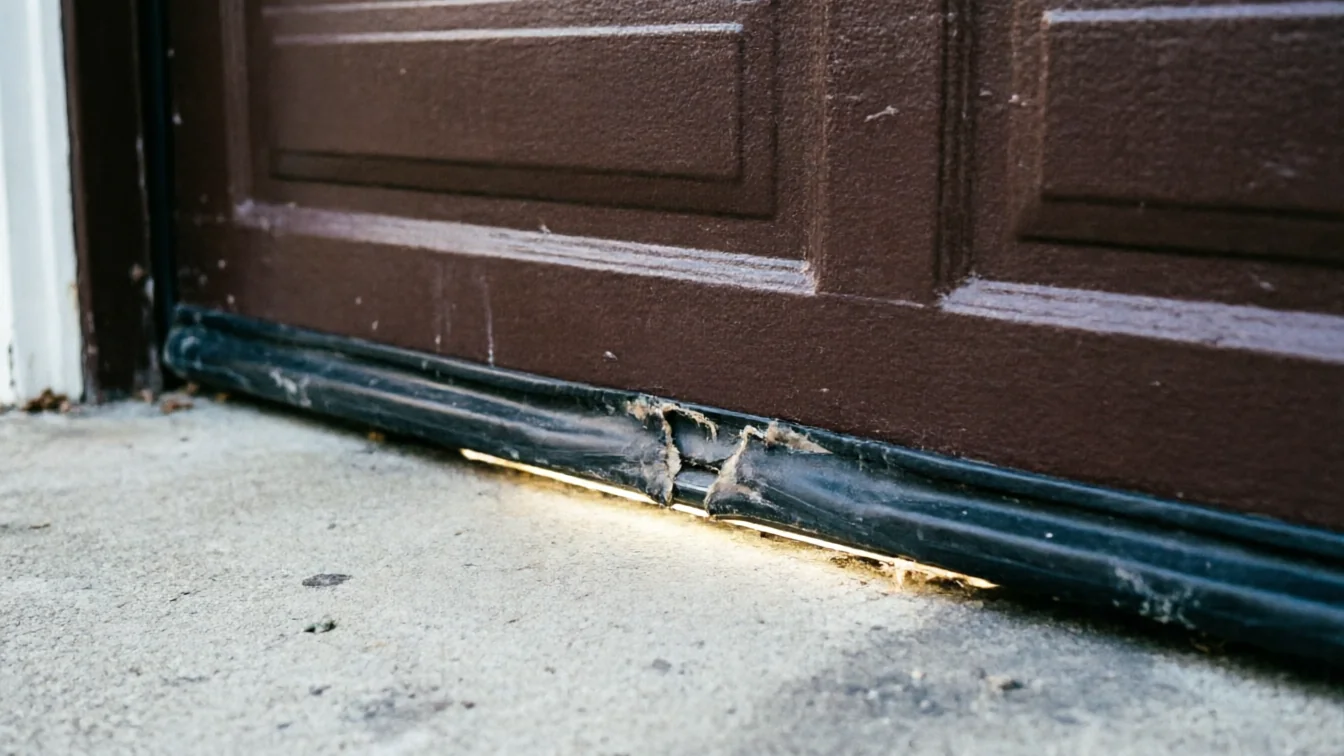
Start with the build date of your house, not the door itself, because in Rowlett those two things are usually close together. Most houses in the service area went up between 1973 and 2013, with the median landing around 2003, and that early-2000s run is the bulk of what's out there across the named areas nearby. If your house falls in that window, you've likely got a steel sectional door on torsion hardware from the same era - not the older wood doors or extension-spring setups you'd find in a much older neighborhood. Check the bottom panel first. That's where moisture and ground contact do the most damage over twenty-plus years, and it's the easiest thing to miss because it looks fine from standing height. Next, look at the weather seal along the bottom and sides. On a door this age, that seal has usually been baked and flexed through two decades of Texas summers, and it shows. We don't replace a whole door because the seal is shot - that's a cheap fix on its own, and anyone telling you otherwise is padding the job.
What Local Conditions Do
Rowlett sits in a moderate-heat climate band, and that matters more for a garage door than people expect. Heat doesn't just fade paint - it works on the rubber and vinyl weather seals and drafts form where the material has hardened and pulled away from the frame. On a door built in the early 2000s, which is the typical age here, that seal has gone through roughly twenty summers of expansion and contraction. You'll feel it as a draft along the bottom edge or see daylight at the corners. The steel panels themselves hold up fine in this climate; it's the rubber, the lubrication on the rollers, and the torsion spring's coil tension that take the hit. Heat-cycled springs lose a bit of tension each year, which is why a door that opened smooth for fifteen years can start feeling heavy without any dramatic failure. None of this is an emergency on its own. It's wear that adds up quietly, and it's worth checking before it turns into a spring that lets go while the door is open.
The Situation
With about 80,191 households and 53,016 owner-occupied houses across the service area, and most of that stock built in the same twenty-to-thirty-year window, a lot of garage doors here are aging out together rather than one at a time. That's a different situation than a neighborhood with a mix of 1960s and 2020s construction - here, the springs, openers, and seals installed during the original building boom are mostly hitting the same wear point around now. At a median household income of $131,139, replacement is often the more practical call than repair once a door's hardware is original and failing in more than one spot - paying to fix a cable issue on a spring that's also due doesn't make sense twice over. We won't tell you to replace a door that just needs a seal and a lube job. But if you're looking at a torsion spring near the end of its cycle count on a panel that's already rusting at the base, patching one problem just delays the next call.
Season by Season
Spring in Rowlett brings pollen and humidity swings that swell wood jambs and make a door that closes fine in winter suddenly bind at the top corner. Summer is when the weather seals and drafts show up - the vinyl gets brittle in the heat and starts pulling loose right where the slab meets the floor. That's the season to check your seal, not wait for it. Fall is the easier stretch; temperatures are milder and it's a good window to get ahead of anything you noticed over summer, since parts lead times can run a week or two depending on the opener model. Winter here doesn't bring the hard freezes that crack panels in colder states, but the cold does stiffen torsion spring action overnight, so a door that's already marginal on tension will feel noticeably heavier on cold mornings. None of these are separate problems - they're the same aging hardware responding to the same moderate-heat climate differently depending on the month. Track it across a year and you'll know which part is actually failing instead of guessing.
Frequently asked questions
How old is a typical garage door in Rowlett?
Most houses in the service area were built between 1973 and 2013, with the median around 2003, so the original garage door and opener on an unrenovated house is usually in that early-2000s range - old enough that torsion springs and weather seals are due for a look.
Why does my door feel heavier in winter?
Cold stiffens the torsion spring's action overnight, and if the spring is already near the end of its tension cycle from years of heat exposure, that stiffness is more noticeable. It's not usually a sign of failure on its own, but it's worth checking the spring tension rather than ignoring it.
Is it worth replacing the door instead of repairing it?
If the hardware is original to a house from the early 2000s and more than one part is failing - spring tension, seal, rust at the panel base - repair often costs close to what replacement would, especially given typical household incomes here. We'll tell you honestly which side of that line your door is on.
Related garage door services in Rowlett
More garage door guides
Book garage door service in Rowlett
Call now or request a quote - tell us what the door is doing and where you are.